Job Title Director, K. Lisa Yang Brain-Body Center
K. Lisa Yang Brain-Body Center
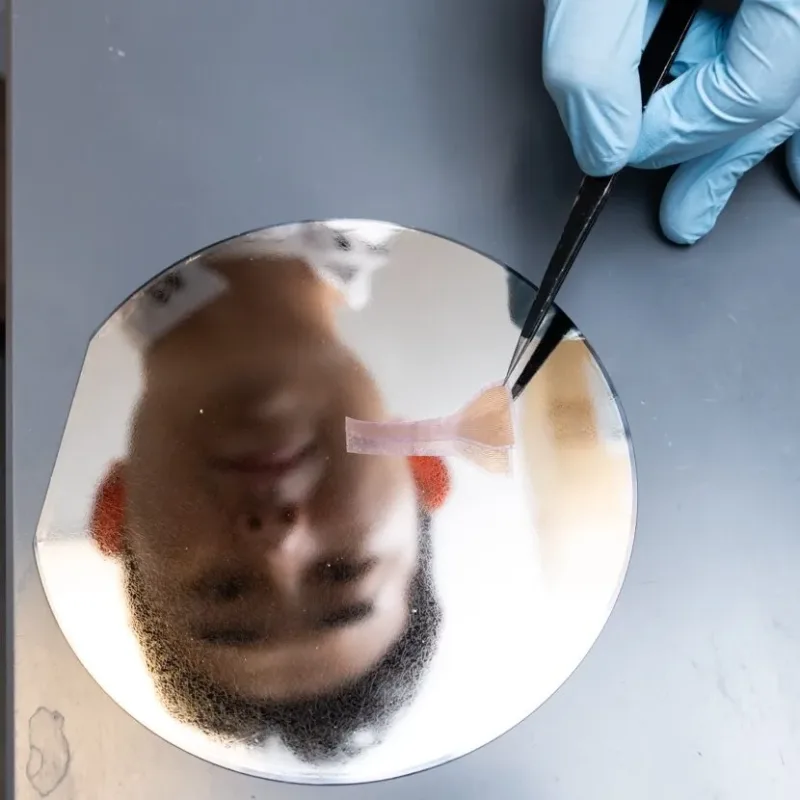
The K. Lisa Yang Brain-Body Center creates novel tools to explore the multidirectional, multilevel interplay between the brain and other body organ systems with the goal of advancing therapies and predictive diagnostics to achieve healthy minds in healthy bodies.
Our Approach
The inextricable link between our brains and our bodies continues to gain recognition among researchers and clinicians in recent years. Studies have shown that the brain-body pathway is multidirectional—meaning that our mental state can influence our physical health in many ways and vice versa. But exactly how they interact is less clear.
The Yang Brain-Body Center draws on MIT’s collaborative, interdisciplinary life sciences and engineering community to focus on the complex conditions and diseases that result from brain-body interactions. The center’s researchers investigate the biological mechanisms underlying these interactions with the goal of unearthing knowledge that can lead to promising therapeutics to restore optimum function in both the nervous system and peripheral organ systems.
The center collaborates closely with the K. Lisa Yang Brain Body Center at Harvard, creating a cross-institutional effort to uncover the mechanisms linking the brain and body and accelerate the development of new therapeutic strategies.
Director

Our Research
Center researchers are advancing new tools and biological insights to uncover how communication between the brain and body shapes health, aging, and behavior— and how these interactions can be harnessed to develop novel therapies and diagnostic methods.
Gut-Brain
Gastrointestinal problems are common in autism, Parkinson’s, depression, and anxiety. Center researchers are developing advanced technologies, imaging, and computational methods to study gut-brain communication, uncover mechanisms, and create new treatments for complex disorders.
Aging
Center researchers are pioneering molecular techniques to restore cellular homeostasis, the equilibrium within cells. A recent advancement showed that prompting the liver to generate signals normally produced by the thymus can restore T-cell populations that decline with age.
Brain-Autonomic Nervous System
In 2024, center scientists showed that activating the brain’s pain-suppressing circuits produced a powerful placebo-driven reduction in pain. They continue studying the balance between sympathetic and parasympathetic systems, how pain affects these interactions, and how autonomic responses modulate.
Interoception
The intestines are a major source of interoceptive signals, yet gut-brain communication has often been studied only at the molecular level. Researchers are using advanced imaging and rodent models to map gut signaling, link it to brain-wide activity, and trace pathways from gut to brain.